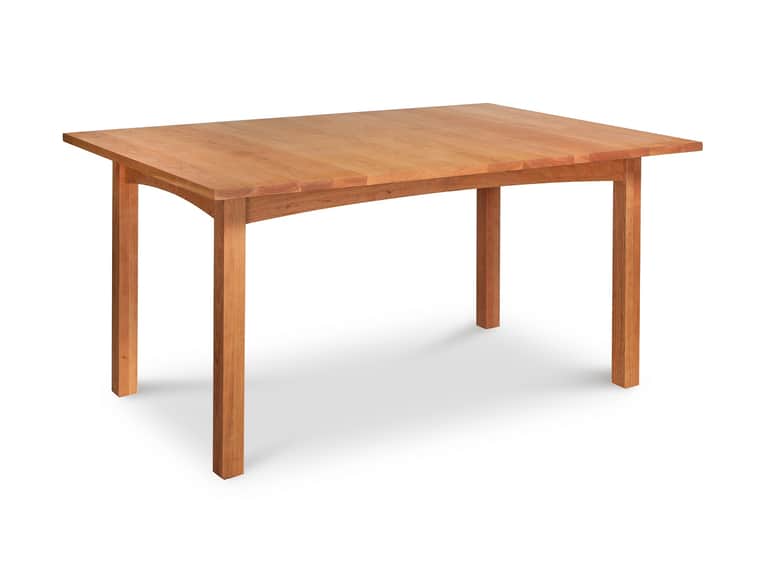
Tables serve a foundational role in both functional and aesthetic aspects of interior spaces, offering surfaces for work, dining, and display while supporting organizational needs. This category emphasizes the design, materials, and construction techniques that influence durability, stability, and ease of maintenance. Understanding table typologies helps match form to function in everyday environments.
When evaluating tables, consider materials such as solid wood, veneer, or engineered composites, along with joinery methods and finishes that impact longevity and wear resistance. Features like furniture-grade finishes, protective coatings, and levelers contribute to performance on varied floor surfaces. The balance between weight, portability, and sturdiness informs practical selection.
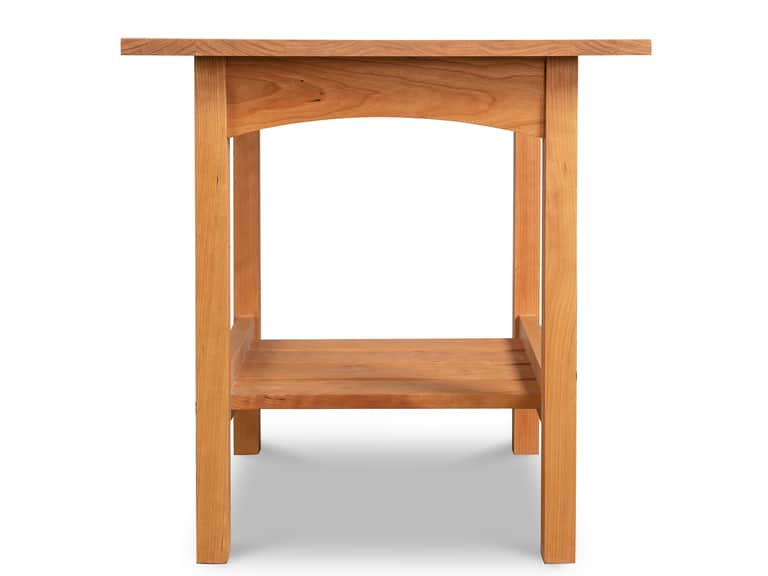
The Burlington-inspired line highlights classic shaker silhouettes adapted for modern rooms, including the Burlington Shaker Lamp Table, Burlington Shaker 2-Drawer Coffee Table, and Burlington Shaker Solid Top Dining Table. Each piece emphasizes clean lines, understated elegance, and versatile sizing suitable for living rooms, dining areas, or entryways.
Functional benefits vary by design: the Burlington Shaker Lamp Table provides a stable surface for lighting and small objects, the Burlington Shaker 2-Drawer Coffee Table adds concealed storage to reduce clutter, and the Burlington Shaker Solid Top Dining Table offers a durable surface ideal for shared meals and collaborative activities. These features support organized, comfortable spaces.
In a broader context, tables integrate with bedding and bedroom furnishings by coordinating with complementary textures, colors, and scale. Consider how adjustable beds, innerspring mattresses, sheets, and other bedding elements interact with table heights and room layout, ensuring cohesive usability and a harmonious, well-planned interior. Keywords: adjustable beds, bedding, innerspring mattresses, sheets, furniture.
 Furniture